Blog

Published
September 24, 2024
Author

September 24, 2024
Founder & CEO
After watching "The Playlist" on Netflix, I realized: Accounting and music have a lot in common.
Spotify drove the transition from the distribution of music in physical form to streaming. Initially, the music executives dug in their heels, desperately clinging to their gatekeeper role and lucrative physical distribution model. We all know how that turned out.
But what does that have to do with accounting?
Traditional accounting systems are like CDs. Accountants and auditors are like CD players, and some are also like music executives. The music itself? That’s your company financials.Bear with me while I elaborate a bit on this.
Traditional, cloud-based accounting systems were great when they came out—a huge leap from having to install and maintain an offline version on your own machine. But just like CDs quickly became irrelevant when streaming took off, most traditional accounting systems are about to disappear in our rearview mirror.
Why? Their data structures, APIs, and UX/UI simply can't keep up with the new AI-native platforms. The providers are stuck in the innovator's dilemma, knowing they can't justify charging premium prices for features that could be a LOT simpler if rebuilt with modern data models and AI at the core.
As CDs became obsolete, so did CD players. Similarly, many steps in the current accounting and auditing workflow will become irrelevant. AI can already read invoices almost perfectly. Setting correct VAT categories? It can be done algorithmically, with little to no user input. Accruals? They can be fully automated – often purely based on the AI-parsed data from the invoice.
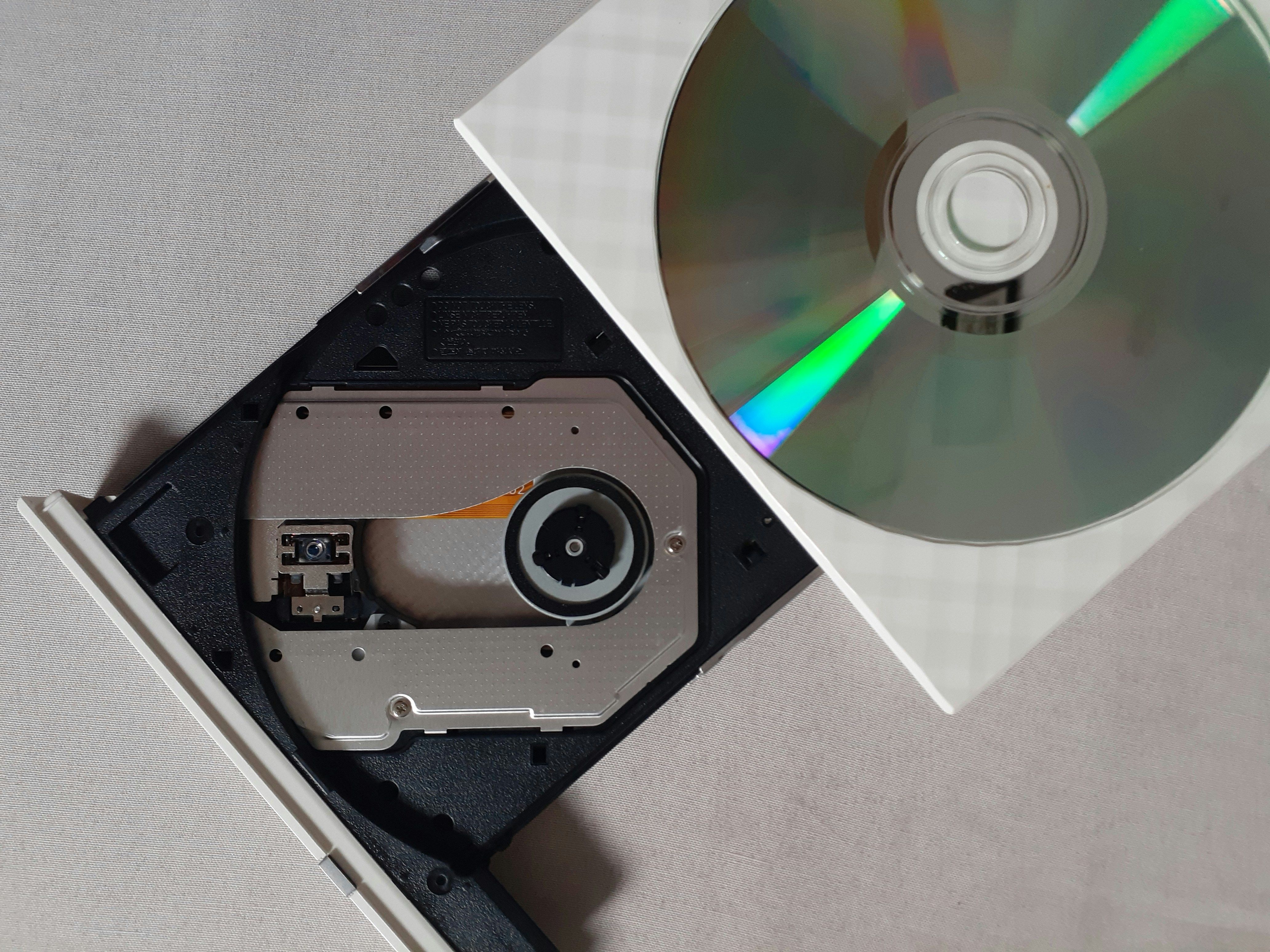
But here's the kicker - for users to really benefit from these technological leaps, accounting systems must be able to act more autonomously while surfacing only the 'doubts' or exceptions for human handling. That's a tall order for traditional systems, since even simple accounting transactions can’t be completed without user input. This is partly due to the endless configuration options in these systems, which further complicates any attempt to streamline and automate. But all of this is bread and butter for an AI-native accounting platform like Crispa, built from the ground up with automation in mind and a heavy emphasis on convention over configuration.
The auditing workflows are also more than ripe for AI-driven automation. Let’s take one of the greatest hits on your auditor’s playlist: ‘Please provide payroll extracts from your bank, payroll system, accounting system, and tax account and upload the PDFs and CSVs to this folder’. Bizarrely, that is typically the first time this data takes on physical form. All of it exists electronically and can be pulled together and verified with a few API calls, some simple algorithms, and maybe a bit of AI-powered anomaly detection. Yet, you spend hours providing these files – and then pay an auditor by the hour to review them.
The value of audited financials is still tangible - it maintains trust in the financial system. But the cost of providing the audit proof is plummeting, so the price (and the auditing revenue pool) should too.
Here's where we might run into some stubborn "music executives." Some accountants and auditors will insist on their way of doing things, refusing to switch systems because they see their billable hours evaporating. But just like streaming won in music, AI will win in accounting - no matter what the CD players think about it.
The good news? Unlike CD players, accountants and auditors have a choice. They can pivot to focus more on advisory services and handling complex scenarios that AI can't tackle (yet).
The accounting revolution is here. The question is: are you ready to press play on the future, or will you stick to CDs and CD players in a streaming world?

COMING SOON

COMING SOON

COMING SOON
Accounting & forecasting
for entrepreneurs
Crispa Technologies ApS
CVR 43 24 44 77
Copenhagen, Denmark
hello@crispa.ai
SERVICES
Operational Finance
Compliance
Strategic Finance
Advisory
COMPANY
About
Team
Blog
Careers
Contact
SOCIALS
Copyright © 2026. All rights reserved.